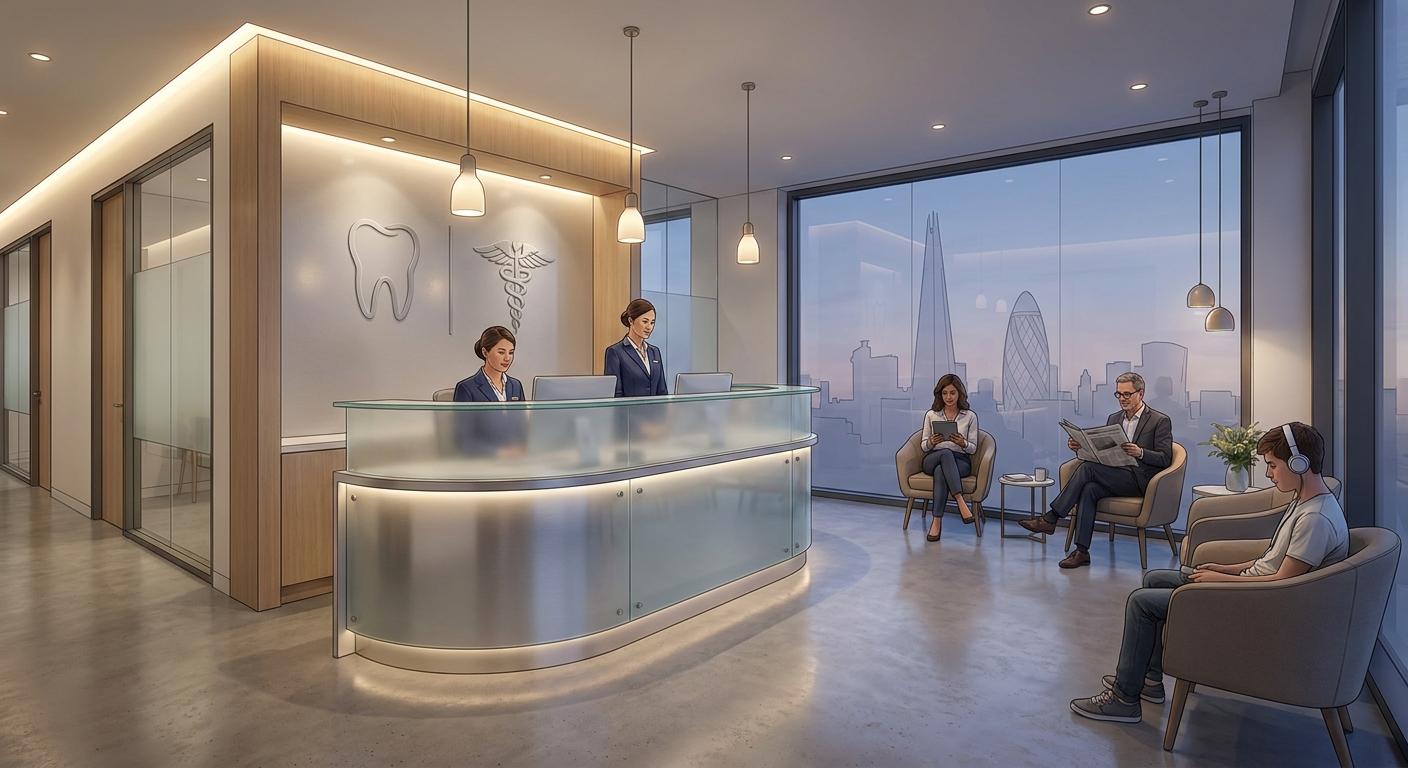
London's bustling healthcare landscape is witnessing a profound transformation. Increasingly, a distinct 'duopoly' is emerging, characterized by the strategic convergence of general medical and dental services under one roof. Clinics such as South Kensington Medical & Dental and Luxmedica exemplify this growing trend, outperforming traditional standalone practices by offering a comprehensive, integrated approach to patient care. This shift isn't merely a convenience; it's a calculated response to evolving patient needs, urban lifestyles, and the inherent efficiencies of a unified healthcare model.
The Genesis of the Duopoly: A Response to Modern Demands
The dominance of combined medical and dental clinics in London is rooted in several intertwined factors, primarily driven by the demands of a fast-paced metropolitan environment. One of the most compelling reasons is unparalleled convenience. For London's diverse population – from busy professionals to international residents and families – the ability to address both dental and general health concerns in a single location is invaluable. This "one-stop shop" model significantly reduces travel time, administrative hassle, and the logistical complexities of managing multiple appointments across different practices.
Patient-Centric Benefits: Beyond Convenience
While convenience is a major draw, the benefits extend much further, directly impacting patient well-being and experience. Holistic Health Integration: Modern healthcare increasingly recognizes the intricate links between oral health and overall systemic health. Conditions like gum disease can impact heart health, diabetes, and even pregnancy outcomes. Integrated clinics facilitate a more holistic approach, allowing for seamless communication between medical and dental teams. This means a GP might refer a patient for a dental check-up based on a systemic health issue, or a dentist might advise a medical consultation for an underlying condition detected during an oral exam. This collaborative environment ensures a more comprehensive and preventative care strategy. Streamlined Patient Journey: Imagine needing an annual health check-up and a dental scaling. In a traditional setup, these would be two separate bookings, potentially at different ends of the city. In a combined clinic, these can often be coordinated, sometimes even on the same day, optimizing the patient's time and reducing stress. This streamlined journey fosters greater patient compliance and engagement with their health.
Strategic Advantages for Clinic Operators
For the clinics themselves, the duopoly model offers significant operational and competitive advantages that contribute to their burgeoning success. Operational Efficiencies: Shared reception areas, waiting rooms, administrative staff, and even some clinical equipment can lead to substantial cost savings. This reduction in overheads can translate into more competitive pricing or higher investment in advanced technologies and specialist staff. Enhanced Patient Loyalty and Cross-Referrals: A positive experience in one department often encourages patients to utilize the other. A satisfied dental patient is more likely to trust the clinic's medical services, and vice versa. This organic cross-referral system builds a robust patient base and fosters long-term loyalty, crucial in London's competitive private healthcare market. Broader Service Offerings and Specializations: These clinics often attract a wider range of specialists, from cosmetic dentists and orthodontists to general practitioners, gynecologists, and dermatologists. This diverse talent pool allows them to cater to a broader spectrum of health needs, strengthening their market position and appeal. Stronger Brand Presence and Marketing Synergy: A combined medical and dental clinic can project a more comprehensive and authoritative image. Marketing efforts can promote an all-encompassing health solution rather than isolated services, creating a more impactful brand narrative.
Navigating the Challenges
While the advantages are clear, operating a successful 'duopoly' isn't without its challenges. Integrating two distinct professional cultures, ensuring seamless information flow while maintaining patient data privacy, and navigating different regulatory frameworks for medical and dental practices require meticulous planning and execution. Quality control across all services is paramount, as a negative experience in one area can tarnish the clinic's reputation overall. However, clinics like South Kensington Medical & Dental and Luxmedica have demonstrated that these challenges are surmountable with robust management and a patient-first philosophy.
The Future of Urban Healthcare
The 'Dentist & Medical' clinic model is more than a fleeting trend; it represents a fundamental evolution in how healthcare is delivered in dense urban environments. As London continues to grow and its population becomes even more discerning and time-poor, the demand for efficient, integrated, and high-quality healthcare solutions will only intensify. This duopoly is set to become the standard, shaping a future where comprehensive well-being is not just an ideal but an accessible reality for city dwellers.
Conclusion
London's healthcare landscape is being reshaped by the undeniable advantages of integrated dental and medical clinics. Driven by patient demand for convenience and holistic care, coupled with the operational efficiencies and strategic benefits for providers, this 'duopoly' is proving to be a winning formula. For those seeking comprehensive, high-quality healthcare in the capital, these combined practices offer a compelling vision of the future – a future where health management is simpler, more integrated, and truly patient-centric.