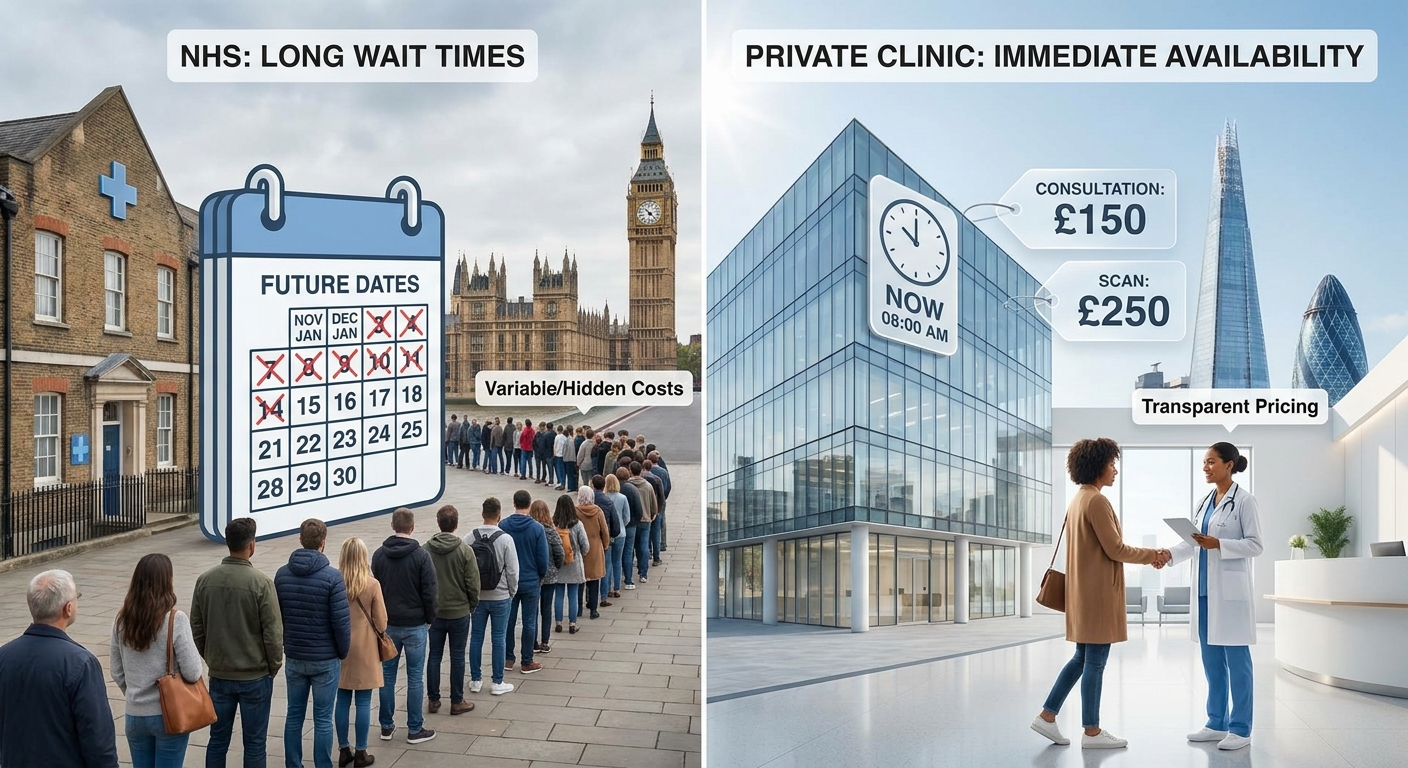
The landscape of healthcare in London, particularly for integrated dental and medical services, presents a complex choice for residents. In 2026, patients will continue to weigh the benefits and drawbacks of the National Health Service (NHS) against private healthcare providers. This article delves into a critical comparison, focusing on the significant disparities in waiting times and providing estimations of costs to help you navigate your options effectively.
The NHS Landscape in 2026: Enduring Challenges
The NHS, a cornerstone of British society, provides universal healthcare free at the point of use. However, it operates under immense pressure, a situation projected to continue and even intensify in 2026, especially in densely populated areas like London.
#### Prolonged Wait Times
One of the most significant challenges for NHS patients in 2026 remains the extended waiting times. Backlogs, exacerbated by previous global health crises and ongoing demand, mean that securing timely appointments for both general medical and dental care can be arduous. For routine dental check-ups, waits can extend to several months, and for more specialised treatments or referrals, the delays can stretch into a year or more. Similarly, GP appointments, particularly for non-urgent matters, often require booking days or weeks in advance, and specialist medical referrals can involve months of waiting. This protracted waiting period can lead to increased anxiety, delayed diagnoses, and potentially worse outcomes for conditions requiring prompt attention.
#### Accessibility and Scope of NHS Services
While the NHS strives for comprehensive care, the scope of dental treatments covered is defined by bands of charges (Band 1, 2, 3), primarily focusing on maintaining oral health. Cosmetic procedures or advanced treatments may not be available or fully covered. Furthermore, achieving combined dental and medical care seamlessly within the NHS can be challenging, often requiring separate referrals and appointments across different trusts or practices, leading to fragmented care pathways.
The Private Healthcare Alternative: Speed and Convenience
Private healthcare in London offers an alternative model, prioritising rapid access, choice, and a more personalised patient experience, albeit at a direct financial cost.
#### Immediate Access and Same-Day Appointments
The most compelling advantage of private healthcare in 2026 is the near-immediate access to services. Many private dental and medical clinics boast 'same-day' or 'next-day' appointments for general consultations, whether for a GP, a dentist, or a specialist. This rapid access is invaluable for urgent concerns, busy professionals, or those who simply prefer not to endure lengthy waits. This immediacy ensures peace of mind and allows for quicker diagnosis and treatment initiation.
#### Integrated Care and Personalised Experience
Private clinics often excel in offering integrated care, a significant benefit for patients requiring combined dental and medical attention. Many private practices house a range of specialists under one roof or have established seamless referral pathways, ensuring a coordinated and holistic approach to patient health. The patient experience is typically enhanced through longer consultation times, state-of-the-art facilities, and a greater choice of specialists and treatment options, fostering a more patient-centric approach.
Demystifying Costs: NHS vs. Private in 2026
Understanding the financial implications is crucial when choosing between NHS and private care in 2026.
#### NHS Costs: The "Free" Myth
While NHS medical care is generally free at the point of use (excluding prescription charges), NHS dental care incurs charges. In 2026, these charges will continue to fall into three bands: Band 1 (examination, diagnosis, X-rays, scale and polish), Band 2 (fillings, root canal work, extractions), and Band 3 (crowns, dentures, bridges). While significantly lower than private costs, these are still out-of-pocket expenses. Complex or aesthetic dental work may also fall outside the scope of NHS provision, necessitating private treatment anyway.
#### Private Care Cost Estimations
Private healthcare, by definition, requires direct payment. In 2026, patients can expect to pay for each consultation, treatment, and procedure. Here are *estimated* cost ranges, subject to significant variation based on location, specialist, and clinic reputation:
- GP Consultation: £70 - £150
- Dental Check-up (including X-rays): £60 - £120
- Specialist Medical Consultation: £200 - £400 (initial consultation)
- Minor Dental Procedure (e.g., filling): £150 - £400+
- Complex Dental Procedures (e.g., crown, implant): £800 - £3000+
These figures can quickly accumulate, especially for combined or extensive treatments. Many individuals opt for private health insurance, which can cover a significant portion of these costs, making private care more accessible.
Making an Informed Decision: Practical Advice
Choosing the right healthcare pathway in 2026 depends entirely on your individual circumstances, priorities, and financial situation.
#### Assess Your Needs
Consider the urgency and nature of your medical or dental need. Is it a routine check-up, an urgent problem, or a complex condition requiring specialist attention? Evaluate your budget and whether the potential for immediate care outweighs the financial investment.
#### Research and Compare
If considering private care, research local clinics, read patient reviews, and obtain detailed quotes for treatments. Don't hesitate to ask about payment plans or package deals. For combined care, inquire about integrated services or coordinated referral pathways.
#### Consider Health Insurance
Private health insurance can be a valuable tool to manage private healthcare costs. Explore different policies and providers, understanding what is covered (e.g., outpatient appointments, inpatient stays, dental riders) and any excesses or exclusions.
In conclusion, the choice between NHS and private healthcare for combined dental and medical care in London in 2026 involves a crucial trade-off. The NHS offers essential care at minimal direct cost but is challenged by significant wait times. Private care, while a direct financial investment, provides immediate access, integrated services, and a personalised experience. By understanding these distinctions in wait times and costs, you can make an informed decision that best suits your health needs and lifestyle.